
Fort Frederick is the oldest building in Port Elizabeth and said to be the first permanent stone structure built by the British in Africa south of the Equator. The fort was built in August 1799 near the mouth of the Baakens River in Algoa Bay to safeguard the fresh water supply and to keep watch for a possible landing of French troops send to assist the Graaff-Reinet rebels during the Napoleonic wars. The fort was named after Frederick, Duke of York and then Commander of the British Army.
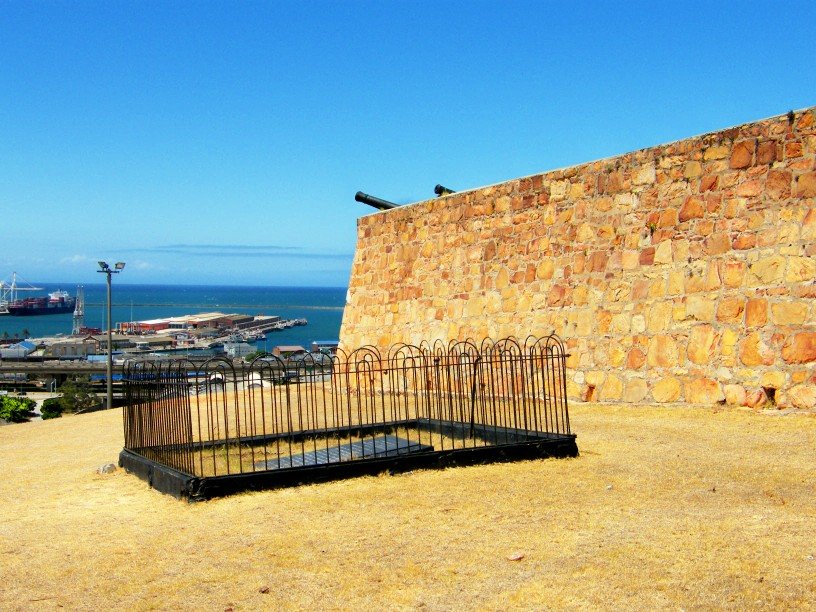
The British abandoned the fort in 1802 after which it was temporarily occupied by Thomas Ferreira and a group of local burghers. In May 1803 they were replaced by a contingent of 150 men of the Batavian Republic and three years later, in 1806, it was again taken over by the British after the second occupation of the Cape. The fort was abandoned after 1868 and fell into disrepair. The fort later became a national monument and was mostly restored.
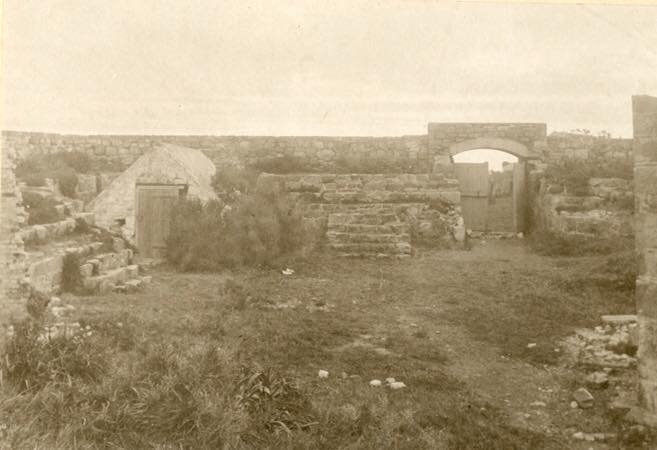
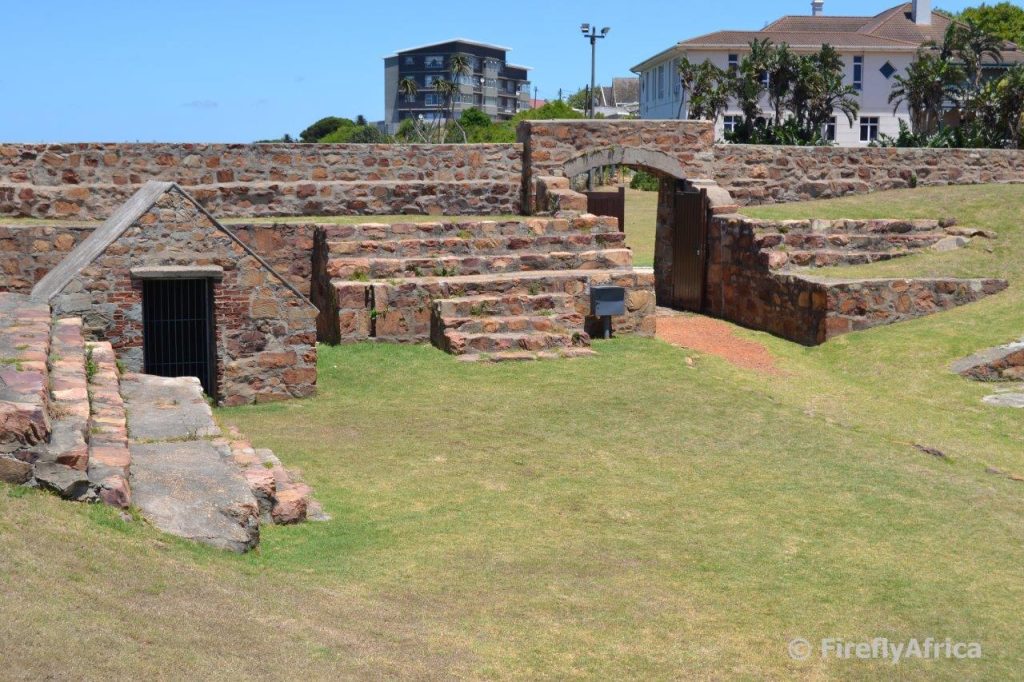
The fort contained a powder magazine and a blockhouse, which has lost its timber upper storey. It was originally defended by two 8-pounder guns and one 5.5 inch Howitzer. These guns were removed when the fort was abandoned and today contains a selection of muzzle-loaders dating from the later part of the eighteenth century. Even though the fort was built to defend the Bay, it never fired a shot in anger.
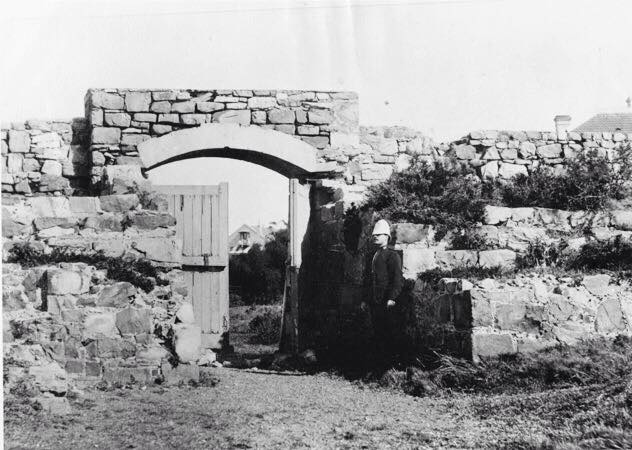
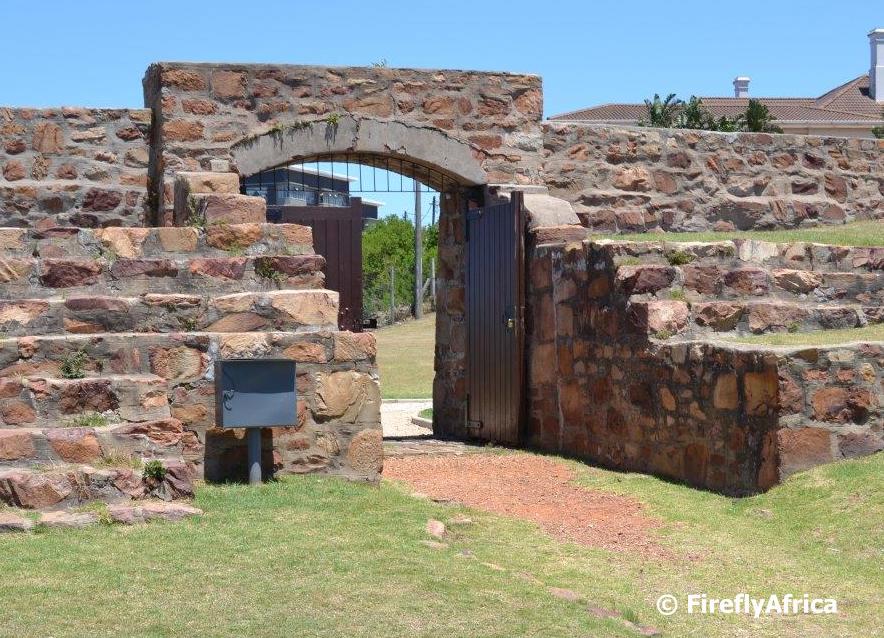
On the north side of the fort lies the grave of Captain Francis Evatt, Commandant of Fort Frederick between 1817 and 1847. Captain Evatt is often referred to as the Father of Port Elizabeth because of the part he played in the town’s early development as well as overseeing the landing of the 1820 British Settlers.
